What's Happening In The Leeds Market Today
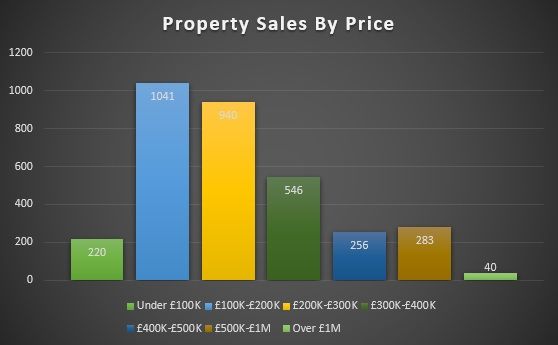
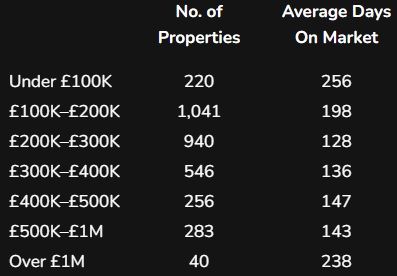
Leeds attracts investors from across the UK, especially
from the more expensive south of England. Prices here are generally lower,
which can make investing more accessible.
Some things to expect:
Competition
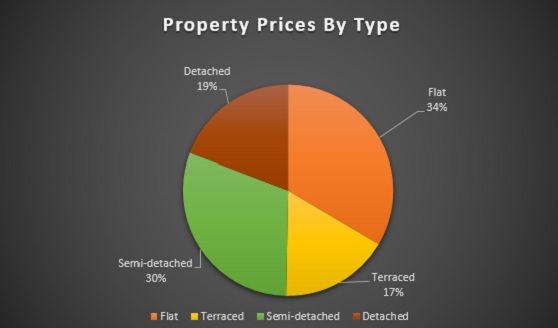
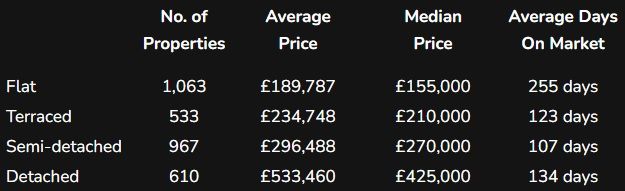
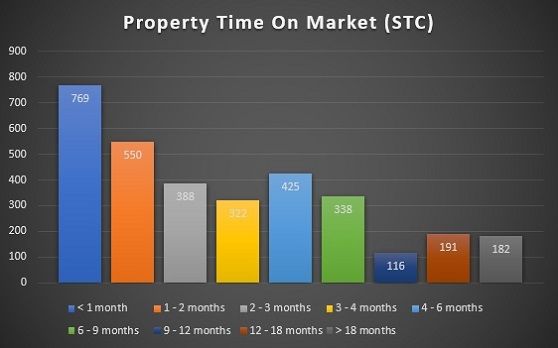
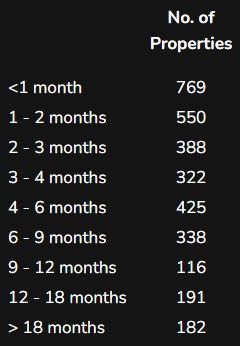
for properties: As per the above chart and data, the most
active price range is typically £100,000–£300,000, and these homes
tend to sell faster than in southern markets — refer to the above chart and data.
Upfront
costs are still significant: Even with a 15% discount
(£30,000) on a £200,000 property (purchase price £170,000), the upfront
cash deposit, Stamp Duty Land Tax (SDLT) and fees will be over £50,000 (see
summary below).
Additional
challenges for non-local investors: You’ll need to arrange
builders, gas and electrical engineers, and letting agents if you don’t
live locally. Without a local presence, you may be spending more than what
others do who are familiar with the market.
Tenant
management: Shared accommodations or Houses in
Multiple Occupation (HMOs) can create more “people problems”,
particularly if you’re managing from a distance.
Summary
Market Value: £200,000
Less Discount: £30,000
Purchase Price: £170,000
Cost of Savings:
£42,500 (Your Savings / Existing Equity) + £9,400 (Stamp Duty Land Tax)
Total Cost: £51,900
Even seasoned investors encounter these challenges. For beginners without substantial savings, it’s easy to leave property investor meetings feeling discouraged. Many attendees only come once, mentally confirming what they suspected about the costs and hurdles involved.
Despite the above advanced warnings, you should attend a property investors’ network meeting in your Leeds area to confirm for yourself what are your options. Typing the following into Google, “property investor meetings leeds”, will show you venues nearby. When you attend, consider asking experienced investors this one key question: “How can you realistically get started with little or no money?” The most common answer you will hear is to be a deal sourcer (introducer) working on commission, but that is not a strategy.
However, alternative strategies do exist that were popularised in the UK after the 2008 Global Financial Crisis — and still work today. They are explained in a free multimedia resource that my colleague and I have developed and used over the last 20 years. It explores ways to start property investment with minimal upfront cash. While this isn’t required to attend an event, understanding these approaches can give you context and help you see the bigger picture.